
Electrolytes have become synonymous with sports drinks and supplements you can buy, but plenty of foods naturally contain these important minerals. Electrolytes - including potassium, magnesium, calcium, sodium, and chloride - help maintain fluid balance, muscle contractions, and nerve signaling throughout the body.
Here are some of the best natural food sources of electrolytes for everyday hydration while swimming at the lake, taking long summer walks or if you're just trying not to melt into a puddle in the sweltering heat!
It turns out that potatoes are quite packed with electrolytes. In fact, a medium-size baked potato with skin contains about 900 milligrams of potassium. Bananas are well-known for being rich in potassium, but a medium banana has less than half the potassium of a potato. Potassium helps regulate fluid balance, helps nerve impulses, and is important for normal muscle contractions and heart function.
A medium baked potato with skin contains about 50 milligrams of magnesium as well. Magnesium is yet another electrolyte that’s required for hundreds of reactions within the body. Getting enough magnesium is essential for muscle and nerve function, energy creation, and maintaining a healthy heart.
You’ll even find trace amounts of calcium and sodium in a potato (a medium potato with skin has about 20 mg of calcium). Potatoes aren’t high in sodium naturally, but if you add a dash of salt you can sneak in some sodium and chloride (two electrolytes we lose when we sweat).
Leafy Greens
Leafy greens are one of the best whole-food sources of electrolyte minerals, specifically potassium, magnesium, and calcium. Nutrient powerhouses include kale, dandelion greens, Swiss chard, and collard greens.
One cup of cooked Swiss chard contains about 960 mg of potassium and 150 mg of magnesium. Swiss chard is one of the best leafy greens when it comes to electrolyte minerals. One cup of cooked kale provides about 300 mg of potassium, 30 mg of magnesium, and 180 mg of calcium. One cup of cooked collard greens offers around 220 mg of potassium, 40 mg of magnesium, and a whopping 270 mg of calcium.
While greens are not a good source of sodium, they do provide a healthy amount of other electrolytes. When it comes to potassium and magnesium, look to Swiss chard. For calcium, collard greens and kale are among the best.
Coconut Water
Coconut water is perhaps one of the most popular natural electrolyte drinks. One cup (8 ounces) typically contains 400–600 mg potassium, 50–60 mg magnesium, and 40–60 mg calcium, but varies among brands and types.
Of the electrolytes in coconut water, potassium is the superstar. Coupled with natural carbohydrates and ample water, coconut water can be a refreshing beverage after light-to-moderate exercise. It is low in sodium when compared to many commercial sports drinks. Because sodium is the main electrolyte lost in sweat, coconut water may not be enough on its own to replenish sodium levels if you've been exercising intensely or sweating a lot.
For a little extra electrolyte replenishment, try adding fresh lemon juice and a pinch of salt to coconut water. You get potassium, magnesium, calcium, sodium, and chloride all in one easy-to-make refreshing drink.
Celery
Celery is another hydrating vegetable that comes with built-in electrolytes. Since celery is roughly 95% water, it delivers hydration with a bit of potassium, sodium, calcium, and magnesium. Celery is interesting because, like most fruits and vegetables, it offers potassium. But it also contains sodium on its own. That makes celery and the juice perfect for daily hydration.
There’s about 260 mg of potassium, 80 mg sodium, 40 mg calcium and 11 mg magnesium in a one cup serving of chopped celery. For even better hydration, try celery juice. One cup (8 ounces) of celery juice can provide roughly 600–700 mg of potassium and 180–200 mg of sodium, although the exact amounts vary depending on how much celery is used and how the juice is prepared. It also provides smaller amounts of calcium and magnesium.
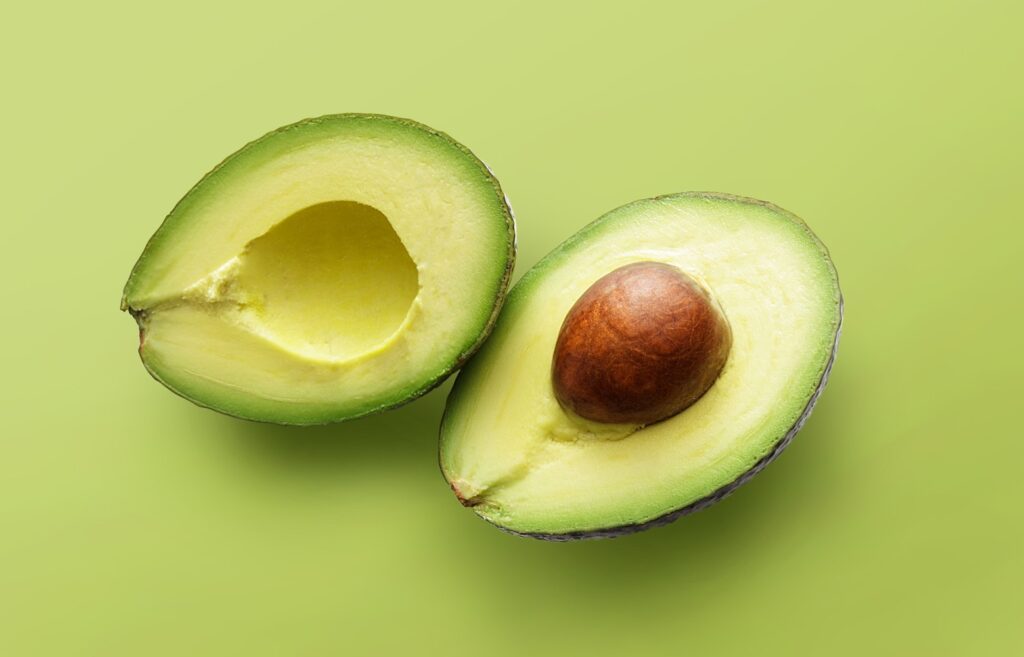
Avocado
Avocados are a nutritious whole food source of electrolytes. You’ll find potassium and magnesium in particular in high amounts in avocados. A medium avocado contains around 975 mg of potassium and 58 mg of magnesium, with smaller amounts of calcium and sodium.
Did you know that a medium avocado contains more potassium than a medium banana? They’re one of the highest potassium fruits available. You’ll also benefit from the healthy fats, fiber, and other nutrients in avocados.
Avocados are naturally low in sodium, which is the electrolyte that you lose most when you sweat. But they pack enough potassium and magnesium to help you find nutrient-dense ways to keep your body stocked with electrolytes for everyday use. Sprinkle a little salt on your avocado or guacamole for an easy source of potassium, magnesium, sodium, and chloride.

Lemon Electrolyte Drink
- 2 cups (16 oz) water
- Juice of ½ lemon
- ⅛ teaspoon salt
- 1–2 teaspoons honey or maple syrup
Mix well and serve chilled.
The salt provides sodium and chloride, the primary electrolytes lost through sweat. Lemon juice contributes small amounts of potassium, calcium, and magnesium, while honey or maple syrup provides glucose and other sugars. The combination of sodium and glucose can help promote water absorption in the intestines.
Happy summer!
♥
THANK YOU FOR READING
|